The Fictional Genesis: Motaba Virus in 1967 Congo
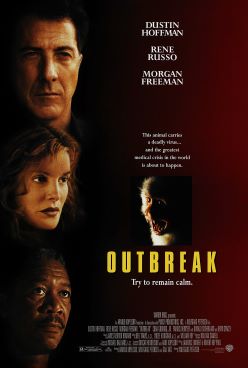
The name Motaba Virus might send shivers down the spine of anyone familiar with the classic 1995 film Outbreak. While entirely fictional, this terrifying pathogen has left a significant mark on popular culture, serving as a chilling reminder of the potential devastation viral outbreaks can wreak. Its origins, as depicted in the lore surrounding the movie, are rooted in a grim historical context that mirrors real-world pandemics.
According to its fictional backstory, the Motaba Virus was first discovered in 1967 during a virulent outbreak among soldiers stationed in the Kisangani region of the Congo. This initial emergence was characterized by a severe hemorrhagic fever, a terrifying condition where the body's internal systems break down, leading to widespread bleeding and organ failure. The virus proved to be extraordinarily lethal and highly contagious, mirroring the rapid, devastating spread seen in real-life diseases like Ebola.
Faced with an unprecedented public health crisis, U.S. Army researchers, including officers Billy Ford and Donald McClintock, were tasked with containing this deadly new threat. Their response was drastic and ethically questionable, highlighting the extreme measures sometimes considered in the face of an unknown killer. To prevent further dissemination and protect global public health, they made the critical decision to destroy the entire camp where the infected soldiers were located. This devastating act of containment, intended to erase all traces of the virus, underscores the profound challenges and moral dilemmas inherent in controlling highly virulent infectious diseases, especially in remote or conflict-affected zones. For a deeper dive into its fictional roots, explore Motaba Virus: Unraveling its Fictional 1967 Congo Origins.
From Congo to Cinematic Thriller: The Impact of Outbreak
While its origins were established in a harrowing fictional past, the Motaba Virus truly exploded into public consciousness with the release of the 1995 blockbuster Outbreak, starring Dustin Hoffman, Rene Russo, Morgan Freeman, and Kevin Spacey. The film masterfully brought the terrifying potential of a fast-spreading, lethal virus to the big screen, captivating audiences and sparking widespread discussion about pandemic preparedness.
In Outbreak, the Motaba Virus re-emerges decades after its initial containment, smuggled into the United States by a host monkey. The movie meticulously portrays the virus's rapid mutation and devastating symptoms as it spreads from a single animal to a small town, then threatening to engulf major cities. The narrative centers on the efforts of virologist Colonel Sam Daniels (Hoffman) and his team to identify, track, and ultimately stop the virus, often clashing with military superiors who prioritize secrecy and extreme containment strategies, including the controversial plan to bomb an entire infected town to eradicate the virus along with its hosts.
The film was groundbreaking for its time, effectively dramatizing the scientific race against time, the ethical quandaries of military intervention in civilian health crises, and the panic that can grip a population in the face of an unseen enemy. Outbreak's depiction of the military's initial cover-up of the virus's existence and their later, draconian measures amplified public anxieties about government transparency and the potential for overreach during a crisis. It solidified the Motaba Virus as a symbol of the ultimate biological threat, a rapidly evolving killer that could bring society to its knees.
Beyond the silver screen, the Motaba Virus also found a whimsical nod in popular culture, being referenced in an episode of *Clerks: The Animated Series*. This brief mention demonstrates the virus's enduring legacy and its status as a recognized fictional threat, cementing its place in the pantheon of cinematic diseases.
Motaba's Real-World Echoes: Parallels with Ebola and Pandemic Preparedness
Despite its fictional status, the Motaba Virus draws heavily on the terrifying reality of real-life pathogens, most notably the Ebola virus. This resemblance is not accidental; the creators of Outbreak intentionally crafted Motaba to embody the most frightening characteristics of hemorrhagic fevers. Both viruses cause severe illness marked by high fever, internal and external bleeding, and a high mortality rate, making Motaba a potent fictional stand-in for the very real dangers posed by such diseases.
The film's narrative, while dramatized, highlights critical aspects of real-world viral outbreaks and the global response challenges they present:
- Zoonotic Origins: Motaba's jump from an animal (monkey) to humans is a common pathway for many emerging infectious diseases, including Ebola, HIV, and COVID-19. This emphasizes the importance of studying wildlife and preventing spillover events.
- Rapid Transmission: The speed at which Motaba spreads, especially its mutated airborne form in the movie, underscores the nightmare scenario of highly contagious pathogens. Real-world responses focus on rapid contact tracing, isolation, and quarantine to break chains of transmission.
- Ethical Dilemmas of Containment: The military's fictional decision to destroy an entire camp or town raises profound ethical questions about balancing public safety with individual rights and the preservation of life. In reality, containment strategies prioritize less destructive methods, focusing on medical intervention, public health measures, and community engagement.
- Military's Role in Crisis: While Outbreak shows military scientists leading the charge, real-world military involvement in public health crises is typically in support roles: logistics, infrastructure, security, and setting up field hospitals, rather than direct public health policy or ethical decision-making regarding human populations.
Understanding the fictional portrayal of Motaba can serve as a valuable lens through which to view genuine public health threats. It prompts us to consider:
- Vigilant Surveillance: The need for robust global surveillance systems to detect new pathogens early, particularly in regions prone to zoonotic spillover.
- Rapid Response Capabilities: Investing in rapid diagnostic tools, mobile medical teams, and emergency response infrastructure to contain outbreaks before they escalate.
- International Collaboration: Emphasizing cross-border cooperation and information sharing, rather than the isolated, secretive approach depicted in the film.
- Ethical Frameworks: Developing clear ethical guidelines for decision-making during pandemics, ensuring human rights and dignity are maintained even in extreme circumstances.
- Public Trust and Communication: The importance of transparent, accurate communication from health authorities to prevent panic and ensure public compliance with health measures.
To further explore the distinction between fiction and reality, consider reading Is Motaba Virus Real? Comparing the Fictional Threat to Ebola.
The Psychology of Outbreaks: Fear, Containment, and Public Trust
Beyond the biological mechanics of the Motaba Virus, its narrative impact delves deeply into the psychological and societal dimensions of an epidemic. The references suggest that a "bug" can be "more psychological than physical," spreading rapidly amongst people with little to no physical contact. While Motaba itself is physically devastating, the fear and panic it ignites perfectly embody this psychological contagion.
The film Outbreak masterfully illustrates how fear can spread faster than the virus itself. The initial secrecy maintained by the military regarding Motaba's re-emergence, and their subsequent drastic containment measures, fueled public distrust and hysteria. When news of the virus finally breaks, towns are quarantined, civil liberties are threatened, and the public descends into a state of terror. This scenario highlights a crucial lesson for real-world pandemic management:
- Transparency Builds Trust: Governments and health organizations must be forthright and honest with the public, even when information is incomplete or difficult. Secrecy, as shown with Motaba, breeds suspicion and can undermine public cooperation essential for containment.
- Managing Misinformation: In an age of instant communication, misinformation can spread like wildfire, amplifying fear and hindering effective public health responses. Clear, consistent messaging from credible sources is vital.
- Ethical Considerations of Containment: The fictional plan to bomb an infected town, while extreme, forces audiences to confront the hypothetical question: how far is society willing to go to save the many at the expense of the few? Real-world containment strategies, while strict, must always balance public health with human rights and ethical considerations.
- Impact on Mental Health: Outbreaks, whether real or fictional, can have profound effects on mental health, leading to anxiety, depression, and social stigma. Recognizing and addressing these psychological impacts is a key part of holistic preparedness.
The story of the Motaba Virus, therefore, isn't just about a deadly pathogen; it's also a powerful exploration of human behavior under duress, the fragility of societal order, and the critical importance of public trust in navigating global crises. It's a stark reminder that managing an outbreak requires not only scientific prowess but also astute understanding of human psychology and robust ethical frameworks.
Conclusion
The Motaba Virus, a chillingly effective fictional pathogen, stands as a testament to the enduring human fascination and fear of infectious diseases. From its shadowy origins in a 1967 Congolese military camp to its starring role in the cinematic hit Outbreak, Motaba has served as a powerful narrative device to explore the terrifying potential of pandemics. While not real, its characteristics—a severe hemorrhagic fever, high contagiousness, and a high mortality rate—were deliberately crafted to mirror real-life threats like Ebola, lending it a palpable sense of realism that resonated deeply with audiences.
The story of Motaba goes beyond simple entertainment, offering invaluable insights into the complexities of public health crises. It spotlights the desperate measures sometimes considered for containment, the crucial role of military and scientific intervention, and the profound ethical dilemmas that arise when facing an unknown killer. More importantly, it underscores the critical need for global pandemic preparedness, transparent communication, and international collaboration to effectively combat emerging infectious diseases. The Motaba Virus remains a potent fictional warning, urging us to learn from its terrifying lessons to better prepare for the real outbreaks that inevitably lie ahead.