Motaba Virus: Unraveling its Fictional 1967 Congo Origins
In the realm of cinematic scares, few threats loom as large or as viscerally as a rapidly spreading, highly lethal virus. Among these, the Motaba Virus stands out as a memorable antagonist, primarily known from the gripping 1995 film Outbreak. While entirely fictional, its compelling backstory, rooted in a terrifying 1967 outbreak in the Democratic Republic of Congo, gives it an unnerving sense of realism. This article delves into the origins, characteristics, and lasting impact of this notorious fictional pathogen, exploring how it serves as a powerful cautionary tale about global public health.
The Fictional Genesis: 1967 Congo Outbreak & Early Containment
The terrifying narrative of the Motaba Virus begins not in a laboratory, but deep within the remote jungles of the Congo in 1967. Specifically, the Kisangani region is pinpointed as the site of its initial discovery. The virus first emerged during an outbreak among soldiers, triggering alarm bells due to its rapid spread and devastating effects. This early depiction of a pathogen erupting in a vulnerable, war-affected region adds a layer of stark realism to the fictional threat, echoing the challenges faced by real-world public health efforts in similar circumstances.
The severity of the outbreak quickly caught the attention of U.S. Army researchers, including officers Billy Ford and Donald McClintock. Faced with an incredibly contagious and lethal agent, they made a critical, albeit morally complex, decision: to destroy the entire camp where the infected soldiers were located. This drastic containment strategy was implemented in a desperate effort to prevent the virus from spreading further and engulfing the global population. While a fictional event, this scenario highlights the immense pressure and ethical dilemmas that can arise when confronting emerging infectious diseases, especially those with high mortality rates and no known cure. The immediate, decisive (and destructive) response underscores the perceived virulence of the Motaba Virus from its very inception, painting it as a threat that warranted extreme measures.
Motaba's Deadly Nature: Hemorrhagic Fever and High Mortality
What makes the Motaba Virus such a potent fictional threat is its classification as a severe hemorrhagic fever. This category of diseases is notoriously frightening, characterized by symptoms that can include high fever, fatigue, dizziness, muscle aches, and critically, internal and external bleeding. The graphic nature of hemorrhagic fevers, which can lead to organ failure and shock, makes them particularly terrifying to contemplate, both on screen and in reality.
The Motaba Virus is depicted as causing exceptionally high mortality rates in infected individuals, rapidly progressing from initial symptoms to a fatal outcome. This characteristic draws clear parallels to real-life viruses such as Ebola and Marburg, which are also known for their aggressive progression and devastating impact on human health. By basing Motaba on the known terrifying effects of such real pathogens, its creators effectively tapped into genuine public health anxieties. The film Outbreak masterfully translates these medical realities into a cinematic experience, making the audience acutely aware of the fragility of life in the face of an unchecked biological threat.
The severity of Motaba necessitates advanced biological containment protocols, often involving hazmat suits, negative pressure isolation rooms, and stringent decontamination procedures. This visual representation in the film not only adds to the drama but also educates viewers, albeit fictitiously, on the seriousness of containing such a highly dangerous biological agent.
Beyond the Screen: Real-World Parallels and Public Health Lessons
Despite its fictional status, the Motaba Virus serves as a remarkably effective cautionary tale, resonating deeply with real-world public health concerns. The film Outbreak, by dramatizing a fictional pandemic, brought the concept of emerging infectious diseases and their potential for global devastation into mainstream consciousness. The resemblance of Motaba to viruses like Ebola is no accident; it leverages existing scientific understanding and public fear to create a compelling narrative.
Fictional pandemics, much like Motaba, offer invaluable lessons for real-world preparedness and response. Here are some key takeaways:
- Importance of Rapid Response: The swift, albeit drastic, containment efforts depicted in Motaba's origins highlight the critical need for immediate action when a new pathogen emerges. Every hour lost can mean exponential spread.
- Global Collaboration: Viruses respect no borders. The spread of a pathogen from a remote region in Congo to a major U.S. city in Outbreak underscores the necessity for international cooperation, intelligence sharing, and coordinated public health strategies.
- Ethical Dilemmas in Disease Control: The fictional decision to destroy an entire camp raises profound questions about the lengths societies might go to protect themselves, and the ethical tightropes walked by public health officials and military personnel in a crisis.
- Scientific Research and Vaccine Development: The urgency to find a cure or vaccine, central to the Motaba narrative, mirrors the tireless efforts of scientists worldwide to develop countermeasures against real threats. Investment in fundamental research is paramount.
- Public Awareness and Education: Fictional narratives can raise public awareness about the mechanisms of viral spread, the importance of hygiene, and the need to trust expert guidance during health crises.
Understanding the distinction between fictional threats like Motaba and genuine public health challenges is crucial. For a deeper dive into how Hollywood's deadliest virus stacks up against real pathogens, consider reading our analysis: Is Motaba Virus Real? Comparing the Fictional Threat to Ebola.
The Legacy of Motaba: Pop Culture and Enduring Impact
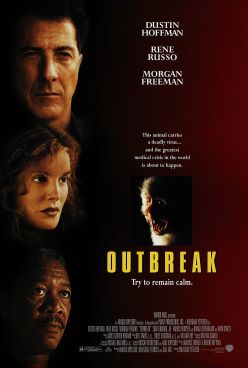
The primary vehicle for the Motaba Virus's enduring legacy is the movie Outbreak. The film, starring Dustin Hoffman, Morgan Freeman, and Rene Russo, showcased the terrifying speed and lethality of a fictional virus making the leap from an animal host to humans, and then rapidly mutating to become airborne. Its gripping plot, which involved a race against time to develop an antidote and prevent a military-enforced annihilation of an infected town, cemented Motaba's place in the pantheon of cinematic biological threats.
Beyond its significant role in Outbreak, the Motaba Virus also found its way into other corners of pop culture. It was referenced in an episode of Clerks: The Animated Series, a nod that demonstrates its relatively minor yet recognizable cultural footprint. This kind of reference speaks to how certain fictional elements, if impactful enough, can permeate different forms of media and become a shorthand for a particular type of threat.
The impact of Motaba, and similar fictional viruses, extends beyond mere entertainment. They often tap into underlying societal anxieties about disease, bioterrorism, and the fragility of modern life. They can shape public perception, for better or worse, about how governments and health organizations respond to pandemics. The idea of a "bug" that spreads rapidly and causes panic, whether physically or psychologically, is a powerful narrative tool that reflects our deepest fears about control, chaos, and survival.
The fictional military containment and the dramatic movie impact of this virus offer rich ground for discussion. Explore more about these aspects in our related article: The Motaba Virus Outbreak: Military Containment and Movie Impact.
Conclusion
The Motaba Virus, with its chilling fictional 1967 Congo origins and its depiction as a severe hemorrhagic fever, remains a powerful narrative device. While it is a product of imagination, its story effectively illustrates the very real challenges posed by emerging infectious diseases. From the difficult decisions of military containment to the global race for a cure, Motaba encapsulates our fears and hopes in the face of an unseen enemy. It serves not just as a source of cinematic drama, but as a stark reminder of the continuous need for vigilance, robust public health infrastructure, and international cooperation to safeguard humanity from the next real-world pandemic.